At Home Pride, we’ve been delivering trusted home inspections since 1994. Our comprehensive evaluations cover all major systems – structural, electrical, plumbing, and more – to give you a clear understanding of a home’s condition before you buy.
General Inspection
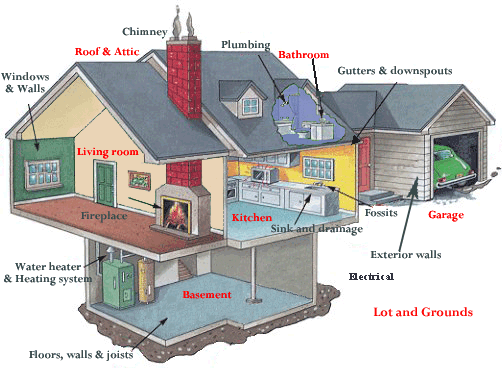
Our comprehensive home inspections cover everything from the foundation to rooftop. We aim to identify typical issues as well as any major defects present at the time of the inspection, so you can make informed decisions with confidence.
Each inspection includes a guided walkthrough of the home, highlighting key areas such as shut-off valves and switches, and assessing health, safety, maintenance, and energy-related concerns. We use advanced equipment and deliver professional reports—often with photos—by email.
We evaluate the home’s major systems and features, including:
Exterior – roof, gutters, siding, grading, and drainage
Basement – foundation, walls, floors, signs of moisture
Systems – electrical, plumbing, HVAC (weather permitting), water heater
Drone image shows cracks in the roofing around skylight
Drone
Can be used if conditions are right and at the inspectors discretion
We use drone technology to safely and efficiently inspect roofs without the need to physically walk on them. This allows us to capture high-resolution aerial images of the entire roof surface, identifying any visible signs of wear, damage, or aging materials. The drone also helps us examine hard-to-reach areas like skylight seals, flashing, and chimney caps for cracks or deterioration. Using a drone ensures nothing is missed—especially on steep or delicate roofing surfaces. It’s a modern, non-invasive way to provide a thorough evaluation while protecting both the inspector and the property.
Radon Inspection
Radon is a colorless, odorless radioactive gas that can’t be seen or detected without testing—but it can pose serious health risks. It enters homes through cracks or openings in the foundation and can build up to dangerous levels, especially in lower living areas like basements. A Surcharge may be added.
Mold Inspection
If mold is visible or suspected, we can collect samples and send them to a certified lab for identification. You’ll receive an easy-to-understand report detailing the type of mold found.
Mold is a common organism that thrives in moist environments and can grow on many household surfaces. While some molds are harmless, others can trigger allergic reactions or more serious health issues—especially in people with asthma, allergies, or weakened immune systems.
Exposure to mold can cause coughing, congestion, sore throat, skin irritation, and headaches. If symptoms improve after leaving a space, mold may be the cause. Early detection and testing can help prevent long-term health risks and costly structural damage.
To help prevent mold growth:
Repair water damage promptly
Watch for signs of moisture or musty odors
Use ventilation in bathrooms and laundry areas
Clean any visible mold immediately
Pest Inspection
A crucial part of any home inspection is checking for evidence of wood destroying insects (WDI) including termites, ants, beetles, carpenter bees, and other pests that can damage the structure of your home. These insects are particularly a concern for homes with wood siding or are surrounded by trees (they don’t know the difference) as they can chew through wood, weakening the structure and, causing costly damage.
During the inspection we examine all accessible areas of the home looking for signs of past or current damage even infestations, damage, or potential entry points. This inspection is specifically focused on detecting wood destroying insects to ensure the structural integrity of your home. If pests are found we provide a “State of Ohio” detailed report with recommendations for treatment or prevention.
What the thermal imaging camera sees
What you see with your bare eyes
What can happen if the problem isn't fixed
Thermal Imaging - Extra Charge
Thermal imaging is a powerful, non-invasive tool we use to detect issues that may not be visible to the naked eye. Using an infrared camera, we can identify temperature differences behind walls, ceilings, and floors—helping uncover hidden problems such as moisture intrusion, electrical hot spots, missing insulation, and HVAC inefficiencies.
This advanced technology allows us to pinpoint potential trouble areas early, so they can be addressed before they become costly repairs. Whether it’s detecting a roof leak, identifying energy loss, or checking for overheating electrical components, thermal imaging adds an extra layer of insight to your home inspection.
At Home Pride, we use thermal imaging to provide a more complete and accurate evaluation, giving you greater confidence in your investment.
Private Well & Water Inspection
If your new home is served by a private well, you’re the CEO of your own water supply system. That’s why testing the water and checking the system’s basic operation is an important step before relying on it for drinking, cooking, or bathing.
This is a basic add on service we can provide during our home inspection, we perform a standard well water test that screens for common harmful bacteria (such as coliform and E. coli for (fecal contamination) and Nitrates (harmful to infants) and evaluates basic water quality parameters (potable water) to help confirm the safety of your supply.
We also visually inspect and functionally assess the well pump and associated components (such as the pressure tank, switches, and visible piping). This includes measuring the system’s flow rate and pressure output at the time of inspection to verify it’s operating within typical performance ranges for household use. Note that this is not a comprehensive well yield or drawdown test—those require specialized equipment and extended monitoring beyond a standard home inspection, and can be done by a Well driller plumber.
Many homeowners are surprised to learn that while well pumps often have an average lifespan of 8–15 years, well-maintained ones can last 20 years or longer. Routine inspections, water testing, and prompt maintenance play a key role in safeguarding both your water quality and the long-term reliability of your system.
Sewer Pipes
It is recommended to have – especially in older homes (50+) – a camera scope all sanitary and storm drains. Cast iron drain pipes can last 80 to 100 years, and these pipes can have significant damage or root infestation causing improper drainage around the home, this inspection will help you understand what needs to be done.